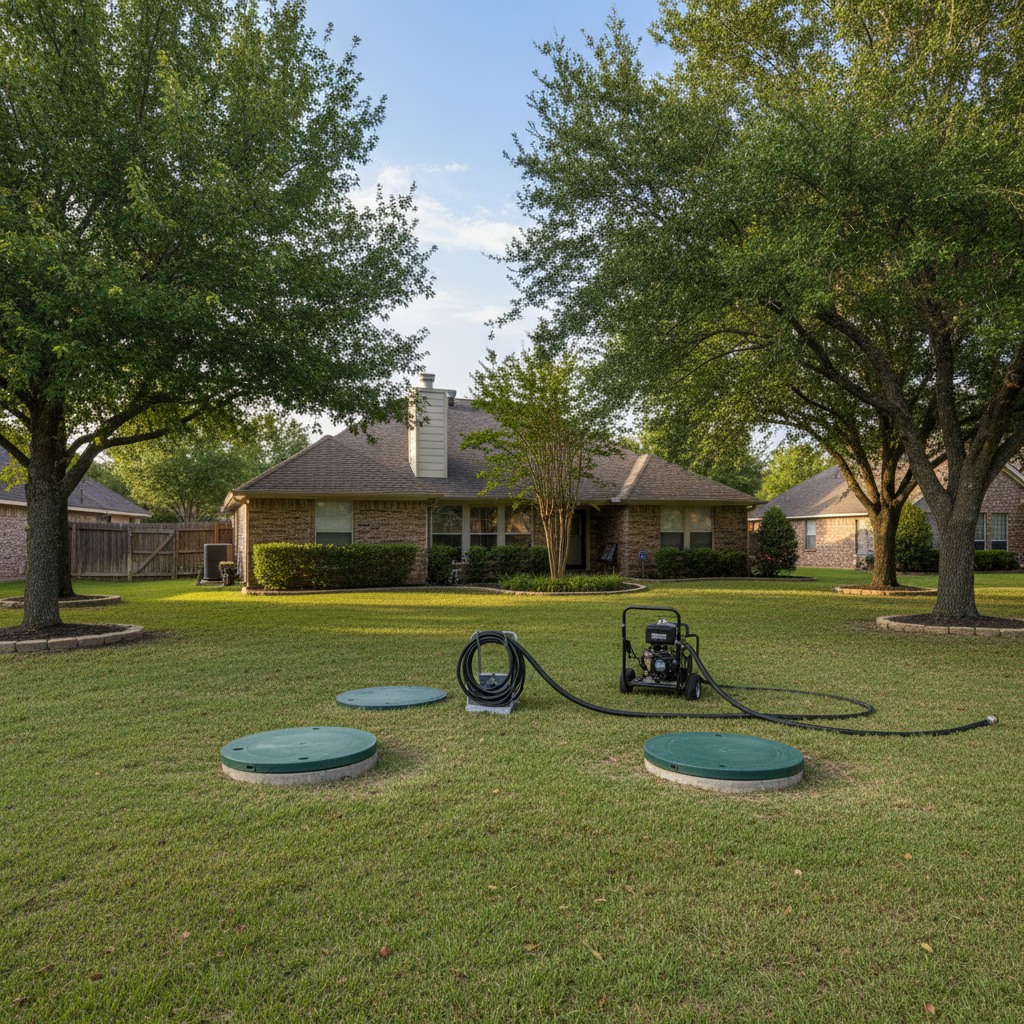
So, you've got a grease trap, and it's time for a pumping. Maybe you've noticed things aren't draining quite right, or maybe it's just been a while. Either way, getting this done isn't a huge ordeal, but a little planning goes a long way. I'm going to walk you through what you need to know to make sure your grease trap pumping project goes off without a hitch.
Planning Your Grease Trap Pumping Timeline
First off, let's talk timing. How often should you be doing this? For most residential setups, especially if you're doing a fair bit of cooking, I usually tell folks every 3-6 months is a good ballpark. If you're a heavy fryer or you've got a big family that cooks a lot, you might lean towards the shorter end. If you're a light user, maybe you can stretch it a bit. The key is to not wait until you have a problem. By then, you're not planning; you're reacting, and that's always more stressful and often more expensive.
When you call us, or any reputable company, try to schedule it a week or two out. That gives you time to prepare and us time to fit you into our schedule without rushing. We're usually pretty flexible, but last-minute calls for a full, overflowing trap are never ideal for anyone.
What to Expect During the Pumping Process
Okay, so the day arrives. What's actually going to happen? It's pretty straightforward. Our crew will show up, usually in a truck that's clearly marked. We'll locate your grease trap, which is typically outside, often near your kitchen or utility area. Sometimes they're buried, sometimes they're above ground. If you know exactly where it is, that's a huge help.
We'll open it up, and yeah, it's not going to smell like roses. That's just the nature of the beast. We'll use a powerful vacuum pump to suck out all the accumulated grease, oils, and solids. We make sure to get everything out, not just the liquid. A good pumping means a clean trap.
Once it's empty, we'll often give it a quick rinse and then close it back up. We'll check for any obvious issues like cracks or leaks while we're there. The whole process usually takes anywhere from 30 minutes to an hour, depending on the size of your trap and how full it is. We're careful to leave your property as clean as we found it.
How to Prepare Your Property for Service
Preparing for a grease trap pumping is pretty easy. Here's what you can do:
- Clear the path: Make sure the area around your grease trap is accessible. That means moving any potted plants, garden hoses, or patio furniture that might be in the way. We need enough room to work and maneuver our equipment.
- Know its location: If your trap is buried, try to mark its location if you know it. If you don't, no worries, we've got tools to help us find it, but knowing saves time.
- Keep pets inside: For the safety of our crew and your furry friends, please keep pets secured indoors or in a separate area during our visit.
- Be available: It's helpful if someone is home, especially if we have questions or need to access something inside, although it's not always strictly necessary if the trap is easily accessible outside.
That's really it. We handle the dirty work; you just make it easy for us to get to it.
Questions to Ask Before Signing a Contract
Before you commit to any service, especially if you're getting quotes from a few different places, here are some questions I'd recommend asking:
- What's included in the price? Make sure you understand if the quote covers just pumping, or if it includes any minor repairs, lid removal/replacement, or disposal fees. At Briggs Septic Service, we try to be upfront about everything.
- How do you dispose of the waste? This is important. You want to make sure they're disposing of the grease and solids legally and responsibly. It's not just good practice; it's the law.
- Are you licensed and insured? Any reputable contractor should be. Don't be afraid to ask for proof.
- Do you offer any maintenance plans? Sometimes, getting on a regular schedule can save you money in the long run and prevent emergency situations.
- What's your availability like? This helps you gauge their responsiveness and how quickly they can get to you.
Getting your grease trap pumped isn't something you think about every day, but it's a vital part of keeping your plumbing running smoothly, especially in areas like Sugar Land where our expansive clay soils can sometimes make underground pipes a bit more prone to shifting and blockages. A well-maintained grease trap helps prevent those nasty backups. Do your homework, ask the right questions, and you'll keep things flowing just fine.